Working Animal Retirement Network is built on connections made with the common goal of giving animals a new lease on life.
The WARN Process.
Connections
Once an animal is ready for retirement, WARN assesses the best course of action for the individual’s wellbeing. We consult specialists as well as begin reaching out to rescues, farms, aviaries, and sanctuaries for available placements.
Medical Care
WARN is in touch with a vast network of animal healthcare providers from all concentrations – be that domestic, farm, or wildlife. Thorough pre-placement check-ups ensure the animal can be safely transported, as well as maintaining the health of their new companions. We are thankful to the medical teams who can provide care at free or reduced costs.
Transportation
Our team of transportation specialists are available seven days a week to get retired animals to their next destination – whether that’s foster placements, medical appointments, or their forever homes. The animal’s care is top priority, and while some volunteers can transport domestic animals, specialists are on-call for farm animals and wildlife.
Temporary Placements
Some domestic animals, like the ones that can be safely kept as companions (such as dogs, cats, rats, snakes and birds), and farm animals aren’t quite ready to go to a forever home or are waiting for adoption. We have a team of volunteers, foster families, and rescues who have stepped up to provide aid in all 50 states.
Permanent Placements
WARN is highly connected to sanctuaries, rescues, reserves, and pastures nationwide, allowing some animals to go from their previous posts to their new homes to enjoy their lives. While some animals get placed in protected sanctuaries, we do attempt to release wildlife back to their natural habitats on a case-by-case basis.
Animals We Rescue
This list is a small sampling of animals we service.
Domestic
- Dogs such as ones used for racing, breeding, testing, detection, herding, sledding, search & rescue, and rejected service dogs.
- Mice, rats, guinea pigs, hamsters, gerbils, and ferrets used for testing or entertainment.
- Rabbits used for testing or wool production.
- Birds such as parrots, cockatoos, cockatiels, doves, and peacocks used for educational presentations and entertainment.
- Reptiles and amphibians such as snakes, lizards, turtles, and frogs used in educational presentations, medicine production, entertainment, and bred for apparel.
Farm
- Horses, ponies, donkeys, and mules used for racing, carriage & hay rides, plows, and entertainment.
- Sheep, goats, llamas, and alpacas used for wool production, drafting, grazing, novelty entertainment, and bred for food.
- Cows, bulls, oxen, bison, and reindeer used for drafting, entertainment, and bred for food.
- Pigs used for testing, truffle finding, and bred for food.
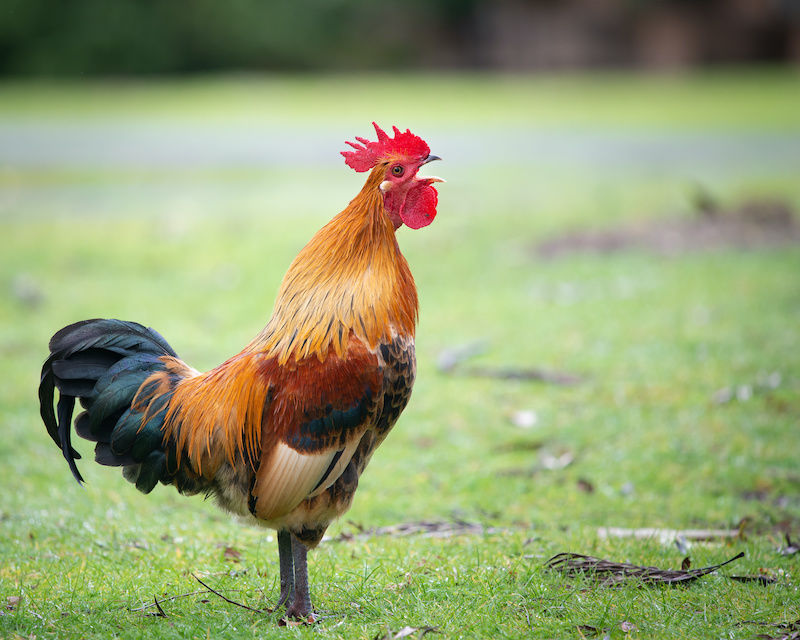
- Chickens, roosters, ducks, geese, and turkeys used for fighting, and bred for food and fashion.
Wildlife
- Lions, tigers, bears, hippos, pandas, koalas, crows, leopards, alligators, cheetahs, armadillos, dolphins, giraffes, emus, seals, wallabies, zebras, elephants, falcons, monkeys, badgers, mongooses, chimpanzees, lemurs, orcas, ostriches, crocodiles, camels, cormorants, wolves, foxes, porcupines, squirrels, bush babies, eagles, bats, gorillas, kangaroos, otters, raccoons, rhinos, walruses, octopi, coyotes, hare, deer, aardvarks, macaques, hyenas, meerkats, penguins, anteaters, boar, warthogs, jaguars, oryx, pangolins, sugar gliders, and lynx used for novelty entertainment, labor, or consumption.
We could use all the help we can get.
See more of our animal rescue success stories here.
 Working Animals Retirement Network